

Hopkinton Community-Led
Resilient Land Initiative

The Town of Hopkinton has launched the Community-Led Resilient Land Initiative.
This collaborative project focuses on reducing stormwater flooding and providing public health benefits. The project will result in the site-designs for two green infrastructure solutions.
Community members will select two sites, one in Legacy Farms and one along Main Street. The site designs will focus on nature-based solutions, providing benefits like improved water quality, cooler outdoor spaces, and spaces to engage with nature.
The goals of the project are to:
01
Launch a community-led outreach and engagement campaign focused on land stewardship and resilience.
02
Co-develop two site plans at locations selected by community members. Design the site plans based on community input to help manage stormwater and reduce heat.
03
Co-create a maintenance plan to support long-lasting nature-based solutions.
This project is guided by the values of:
*
Ensuring access for all Hopkinton residents to enjoy nature.
*
Facilitating joy and connection in the built and natural environments.
*
Creating something together that will benefit Hopkinton for years to come.
*
Building upon Hopkinton’s strong culture of land stewardship and ecological education.
Project Timeline

Green Infrastructure
What is green infrastructure?
Green infrastructure mimics the natural water cycle, helping to manage and treat stormwater through absorption and filtration. Examples include rain gardens, bioswells, and permeable pavement.
-
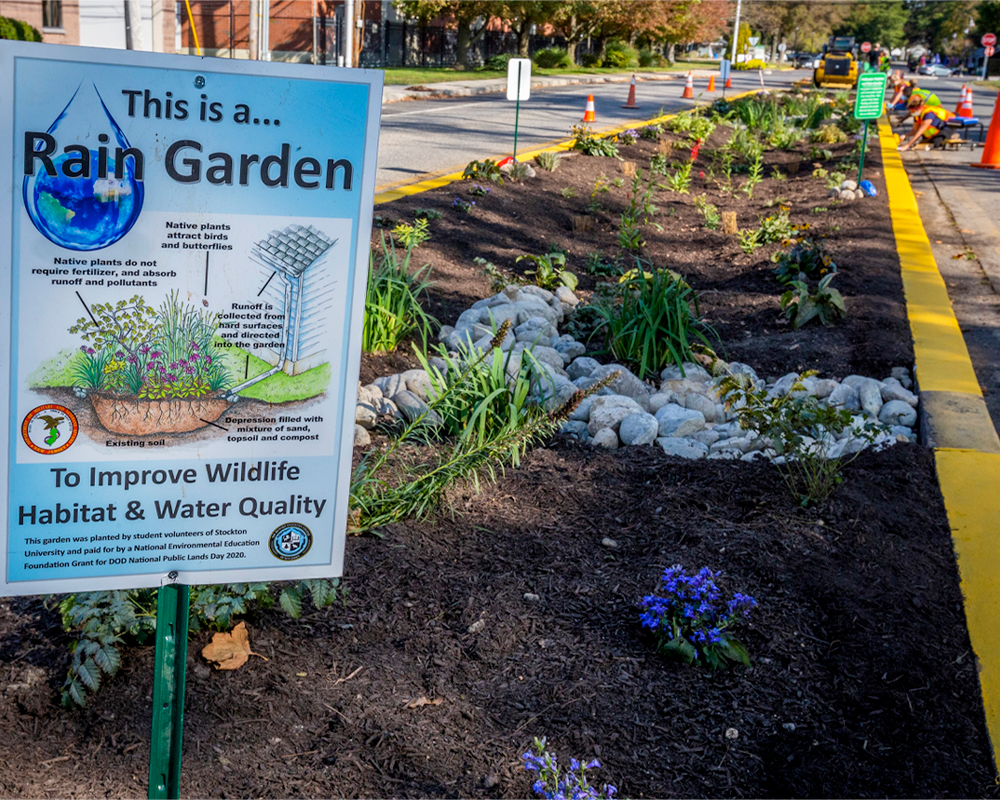
Rain Garden
Capture runoff from roofs and sidewalks in shallow planted spaces, where native plants and rich soil soak up and clean the water before entering local waterways.
-
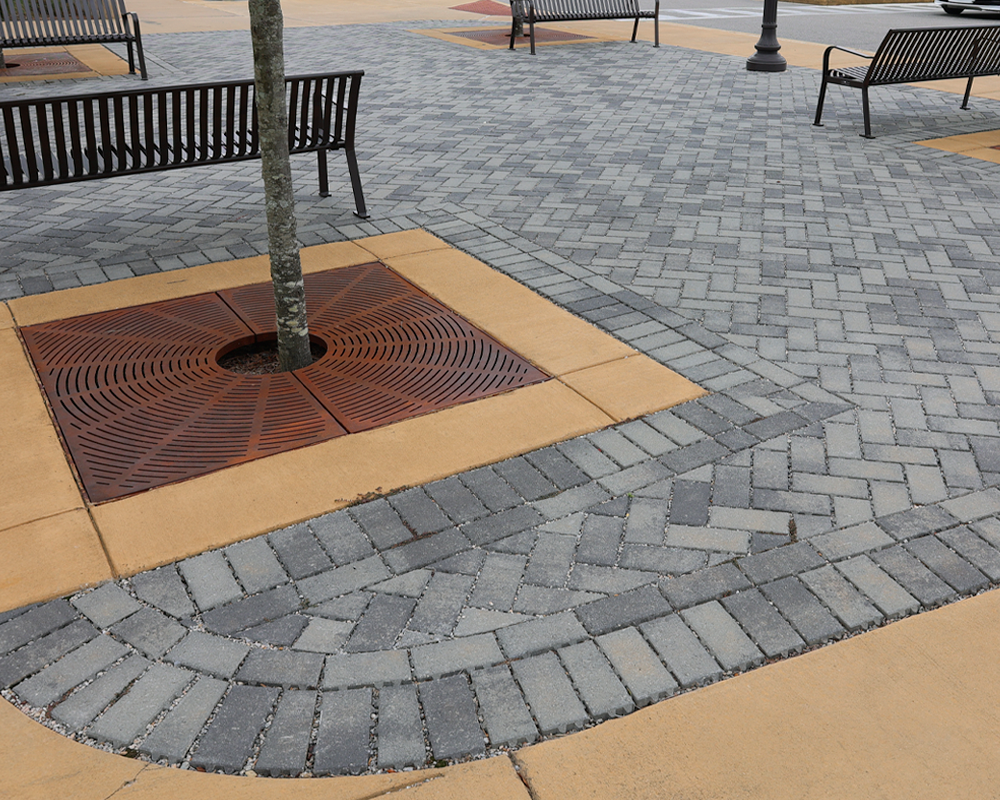
Permeable Pavement
Lets rainwater pass through the surface and soak into the ground below, instead of pooling on streets or rushing into storm drains.
-
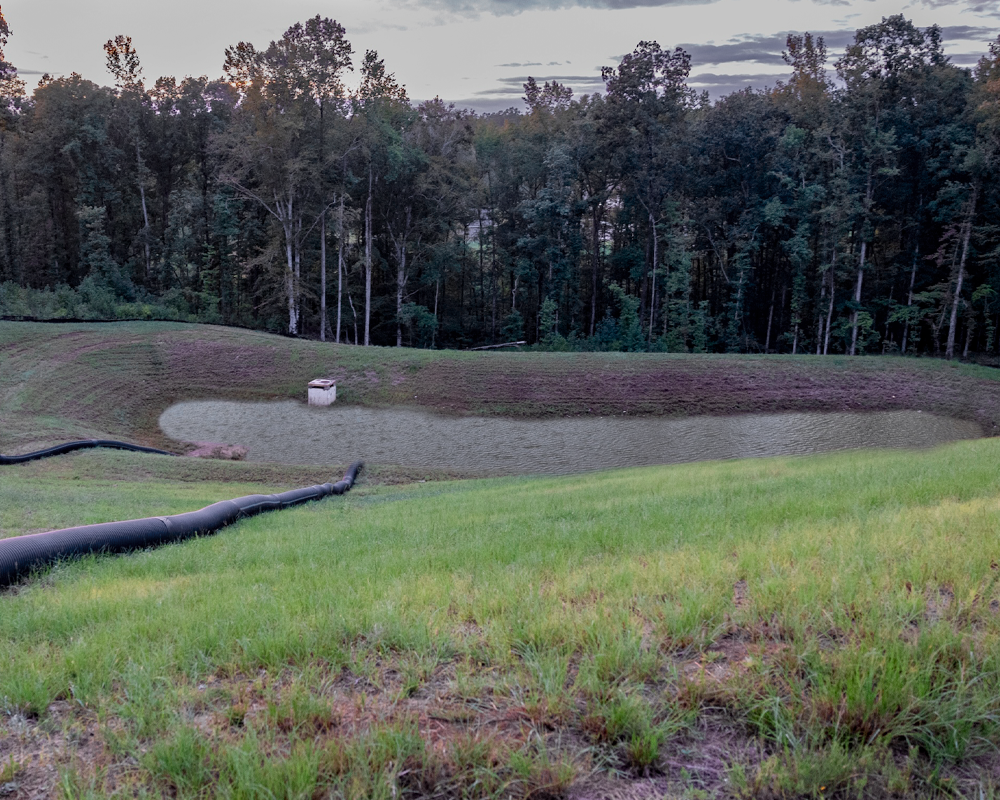
Detention Basins & Retention Ponds
Stormwater control measures that help to treat and store rainwater before flowing downstream.

Nature-Based Solutions
What are nature-based solutions?
Nature-based solutions are solutions that conserve, restore, or mimic natural systems processes to address hazards like extreme heat and flooding. Examples of nature-based solutions include urban forests and bioswales.
-
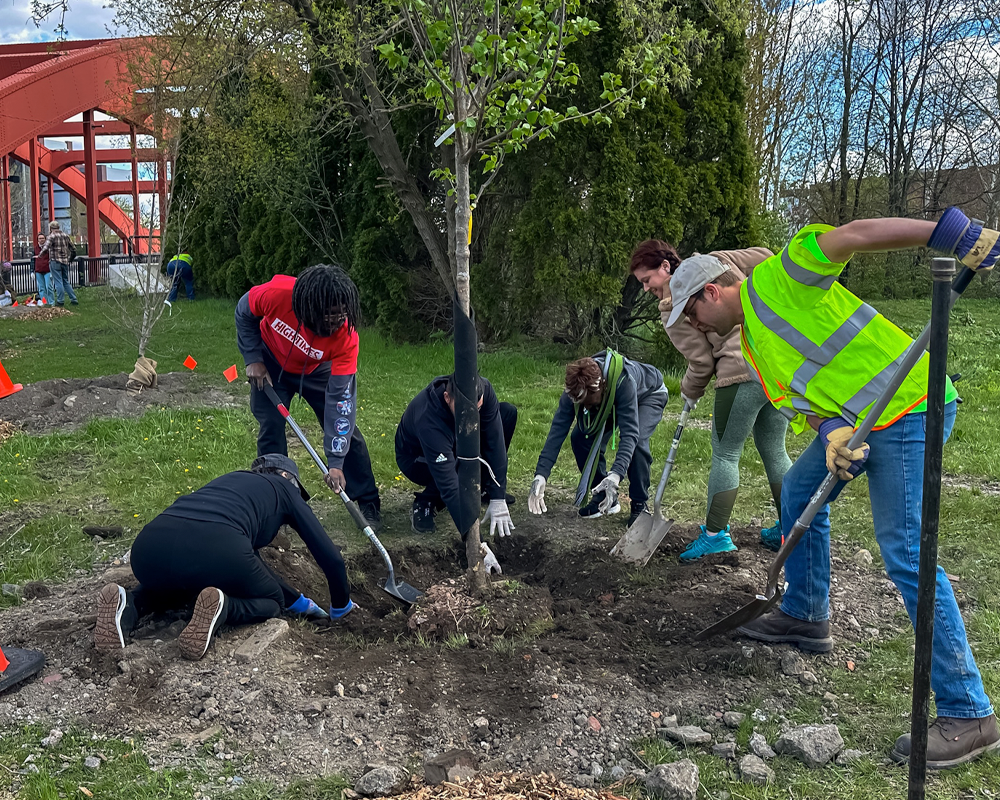
Pocket Forests
Capture rainfall in the leaves, roots, and soil so that less rainwater flood streets and basements during extreme weather.
-
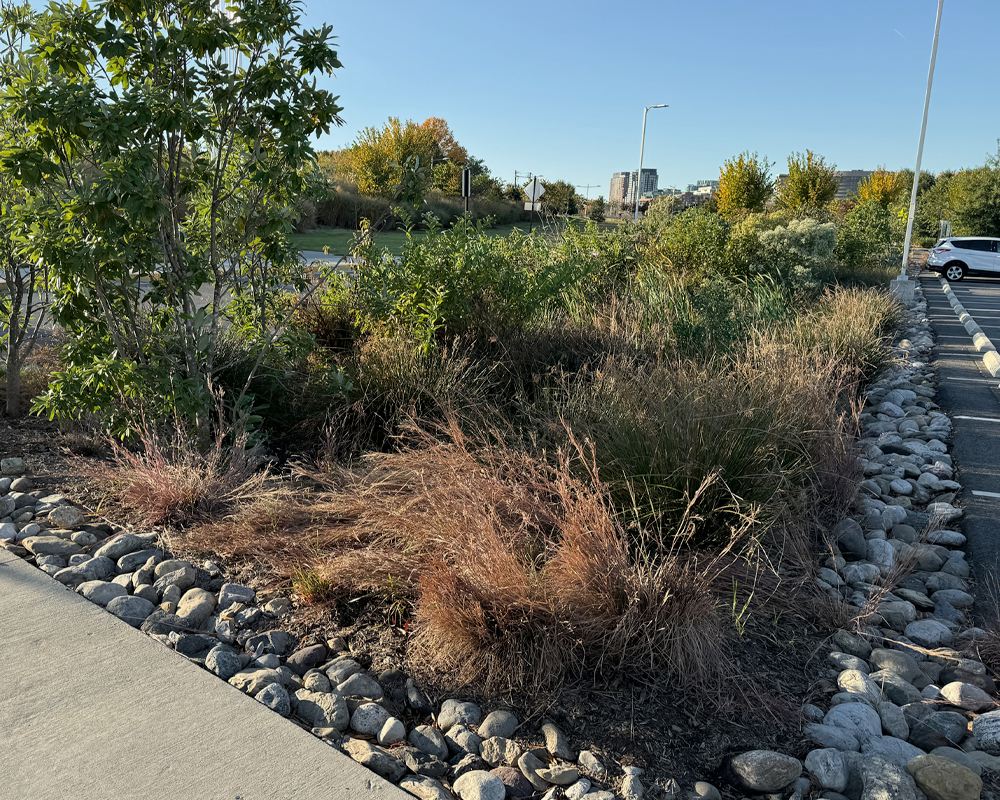
Bioswales
Shallow channels with vegetation that are designed to slow, filter, infiltrate, and convey runoff. These are often planted with grasses, shrubs or trees.
-
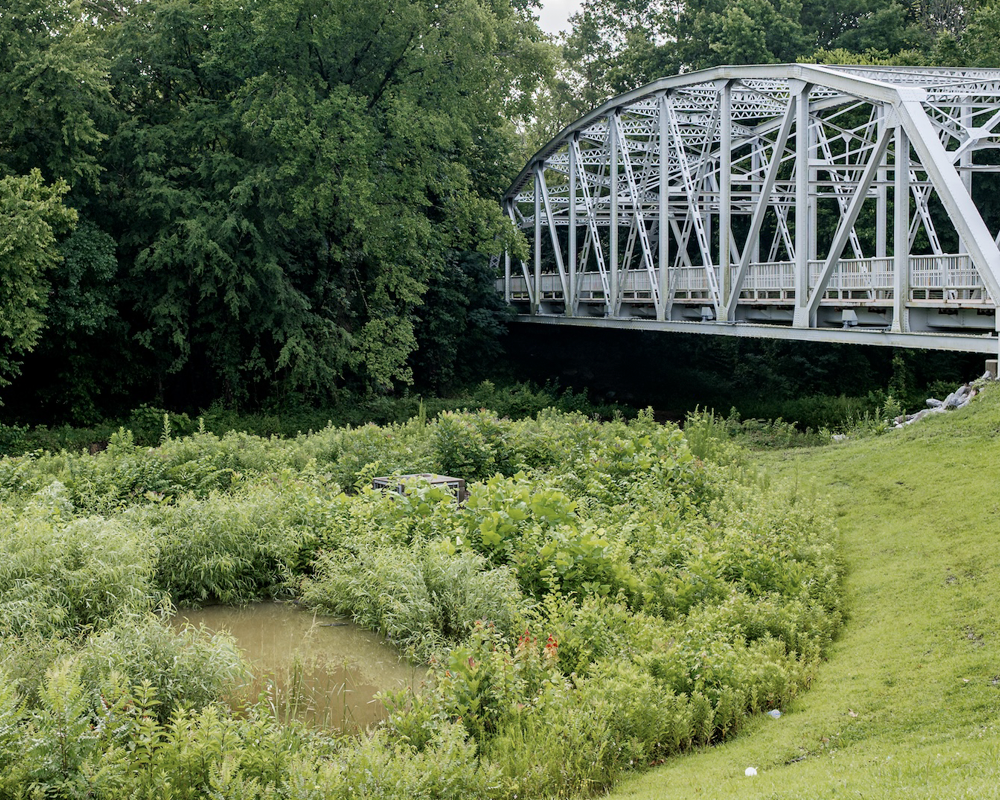
Inland Wetlands
Naturally occurring sponges that filter and store surface water, providing flood mitigation benefits as well as wildlife habitat.
What are the benefits of these solutions?
-

Temperature regulations
-

Surface water flood mitigation
-

Improved soil quality
-

Improved water quality
-

Erosion prevention
-

Improved air quality
-

Enhanced biodiversity
-

Carbon storage
-

Improved physical and mental health
-

Recreation and education
Hopkinton’s Climate Actions
The development of Hopkinton’s 2024 climate action goals, strategies, and actions was developed through a community engagement process designed to include diverse perspectives and center the voices of residents most impacted by climate change.
This project supports Hopkinton’s goal to repair, restore, and regenerate Hopkinton by supporting resilient and regenerative land practices.
Core Team Roster
The Core Team plays an important role in grounding the project in the lived experience of Hopkinton. The Core Team is involved in all aspects of the project. They support in developing and implementing community engagement activities. Bring in a community-centered understanding of local stormwater management and climate issues. Support in the identification of two priority locations and guide the development of the site plans.
Community Liaisons

Dhaval A
Anne Mattina
Purvi Avalani

Ankur Sen
“I care deeply about preserving our town’s natural landscapes so they remain healthy and resilient for future generations. I hope the Resilient Lands Initiative helps protect open spaces, strengthen ecosystems, and guide thoughtful land stewardship that balances environmental sustainability with the needs of our growing community.”
Town of Hopkinton

Julia Chun
Sustainability, Economic Development and Equity Project Manager

Judy Day
Conservation Administrator
“I am Hopkinton’s Conservation Administrator, and am passionate about the Resilient Lands project because it puts community input at the center of conversations about green infrastructure and natural resource protection. Through this work, I hope to see members of the Hopkinton community gain the knowledge and confidence to engage in conversations about low impact development and land use, and to see these values reflected in projects and Town improvements to come.”
Regional Partners
Julie Wood
Charles River Watershed Association

Stefanie Covino
Blackstone Watershed Collaborative
“I love seeing how engaged Hopkinton community members are with local planning and resilience efforts to improve our shared spaces!”
Post-Project Next Steps
While this project will not result in the physical construction of the site designs, implementation and construction of these sites and additional green infrastructure projects is the long-term goal for the Town.

FAQs
-
The specific locations for the green infrastructure sites will be identified by the community through engagement. Engagement activities will ask community members about where they have experienced or observed flooding. They will also work with community members to identify accessible site locations. One site location will be at a highly visible, public land location along Main Street and another location will be in Legacy Farms.
-
The goal of this project is to produce two site-designs at 30% design completion so they are ready for technical design and permitting in a future phase to sustain momentum and continue progress toward on-the-ground outcomes.
-
A 30% site design is the preliminary step in the design process, allowing to set initial budgets, based on physical limitations and legal constraints, such as easements and right of ways, and are a black and white topographic plan. This does not include or require any permitting, that comes with subsequent design work.
-
The community has opportunities to provide insight and input throughout each phase of the project including initial identification of potential site locations, design workshops, and open house site reviews to ensure the designs are supported by the community and technically sound.
Get Involved
To be notified of upcoming opportunities to get involved, please fill out the contact form.
There are a variety of upcoming activities to get involved in the project and help shape the outcome. Stay tuned for the exact dates of each activity!
Upcoming Events
-
Legacy Farms and Main Street Resilient Site Plan Review Open House
WINTER 2026
An opportunity for the community to review and provide feedback on the draft resilient site plans.
Check back later this year for more information!
-
Community Design Workshop at the Hopkinton Public Library
SEPTEMBER 23, 2026
This family-friendly workshop will bring community members together with creative activities to uncover key elements and priorities like accessible recreation, environmental education, public health benefits, or low-cost maintenance, that will serve as the basis for resilient site plans. No design experience is needed—just bring your ideas and perspective!
-
Neighborhood Landscape Tour in Legacy Farms and along Main Street
JUNE 2 & 3, 2026
Two neighborhood landscape tours, in Legacy Farms and along Main Street, to identify potential nature-based solutions and green infrastructure sites.
-
Neighborhood Planting Day and Block Party in Legacy Farms
MAY 3, 2026
A day of hands-on activities exchanging knowledge about land care, native plants, and a well-maintained, resilient Hopkinton community. RSVP and learn more by following the link below.
About this Project
The project is a collaboration between the Town of Hopkinton, the Commonwealth of Massachusetts, Siler Climate Consulting, and BSC Group. This project is funded by a Municipal Vulnerability Preparedness Action Grant awarded by the Healey-Driscoll administration and supported by the Town of Hopkinton.
-

BSC Group
-

Commonwealth of Massachusetts
-

Municipal Vulnerability Preparedness Action Grant
-
Town of Hopkinton
-

Siler Climate Consulting